// NAVIGATION MATRIXSYSTEM ACTIVE
ELTHUS ENTERPRISEGLOBAL 99.99% SLA
How a small business can turn online attention into enquiries and sales with a strong website, local SEO, social media marketing, Google Ads and simple tracking, plus what to ask a digital marketing agency before you hire one.

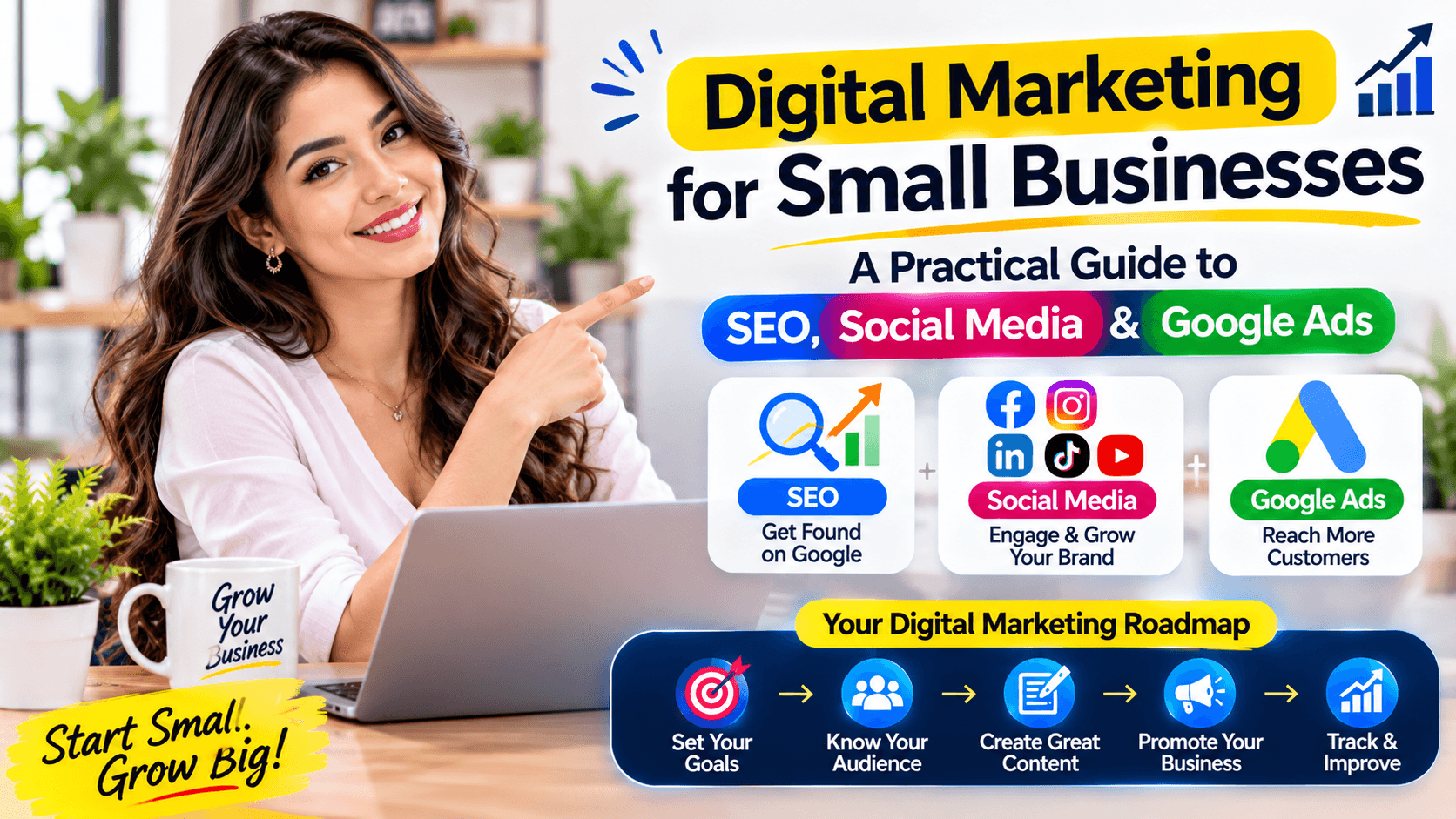
Most buying journeys now start online: a Google search, a scroll through Facebook or Instagram, a question to an AI assistant, or a recommendation in a messaging group. Facebook remains one of the largest social platforms, Instagram skews younger, LinkedIn matters for B2B services, and WhatsApp is where many conversations actually close. In Sri Lanka, for example, DataReportal counted about 13.9 million internet users and around 9 million social media user identities in late 2025.
That means digital marketing works best as a system: social media and ads create attention, search brings people who are ready to buy, and your website and WhatsApp turn both into customers.
A Facebook page alone is rented space: reach changes with every algorithm update. Your website is the asset you own. It should load fast on mobile, explain each service on its own page, show prices or price ranges where possible, and make it easy to call, WhatsApp or fill a short form.
For local customers, set up and verify a Google Business Profile with accurate opening hours, service areas, photos and categories. Ask happy customers for reviews. This is the foundation of local SEO and costs nothing but time.
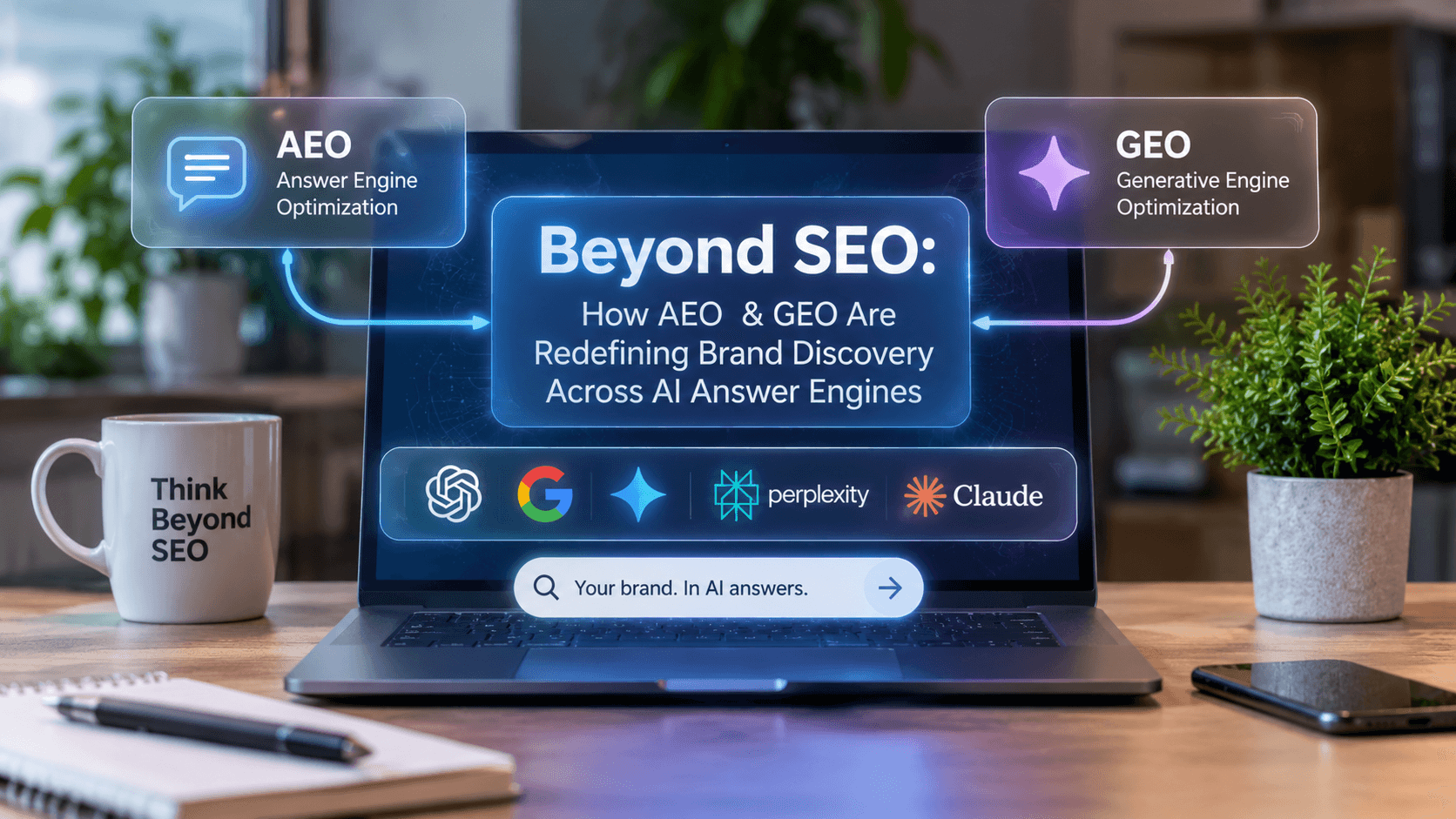
Search engine optimisation (SEO) helps your pages rank for the phrases customers type, such as a service plus a city, 'price' or 'near me'. Answer engine and generative engine optimisation (AEO and GEO) make your content easy for Google AI Overviews and AI assistants to quote and recommend.
In practice, the same work drives all three: one clear page per service, honest answers to real customer questions, structured data, fast pages and consistent business details everywhere online.
List the ten questions customers ask before buying, then answer each one clearly on your website. These pages rank for long searches, win AI answers and save your sales team time.
Effective social media marketing combines regular, useful content with targeted paid campaigns. Show real products, prices, customer stories and behind-the-scenes work, post consistently, and use Facebook and Instagram ads to reach specific locations, ages and interests.
Send ad traffic somewhere that converts: a focused landing page or a WhatsApp chat with a quick reply. Measure cost per enquiry and cost per sale, not just reach and likes.
Google Ads shows your business to people actively searching right now, which makes it powerful for high-intent searches such as a product or service plus 'price' or a location. Start small with tightly matched keywords, add negative keywords to cut wasted clicks, and send each ad to the most relevant page.
Paid search works best alongside SEO: ads bring results immediately, while SEO builds traffic that keeps coming without paying for every click.
Set up Google Analytics 4 with conversion tracking for calls, forms, WhatsApp clicks and purchases, and tag campaign links with UTM parameters. Review results monthly: which channels bring enquiries and sales, at what cost.
If you hire a digital marketing agency, ask for a plan tied to business goals, clear monthly reporting on leads and sales, ownership of your ad accounts and data, and transparent pricing that separates ad spend from management fees.
It depends on the channels and scale. Many small businesses start with a modest monthly ad budget plus management or content fees, while SEO is usually priced as a monthly retainer or a one-off setup project. Always ask agencies to separate ad spend from their own fees.
They do different jobs. Social media creates awareness and repeat engagement, while SEO captures people already searching for what you sell. Most small businesses get the best results by combining a fast website with local SEO and focused social media.
New pages can start appearing within weeks, but meaningful rankings usually take three to six months, depending on competition, website quality and how consistently you publish helpful content.
Yes. A Facebook page depends on the platform's reach rules, while a website is an asset you own. It ranks on Google, appears in AI answers and gives customers a trusted place to compare services and contact you.
Leads and sales by channel, cost per enquiry or sale, ad spend, top-performing content and keywords, and the plan for next month. Reach and likes are useful context, but they are not results on their own.
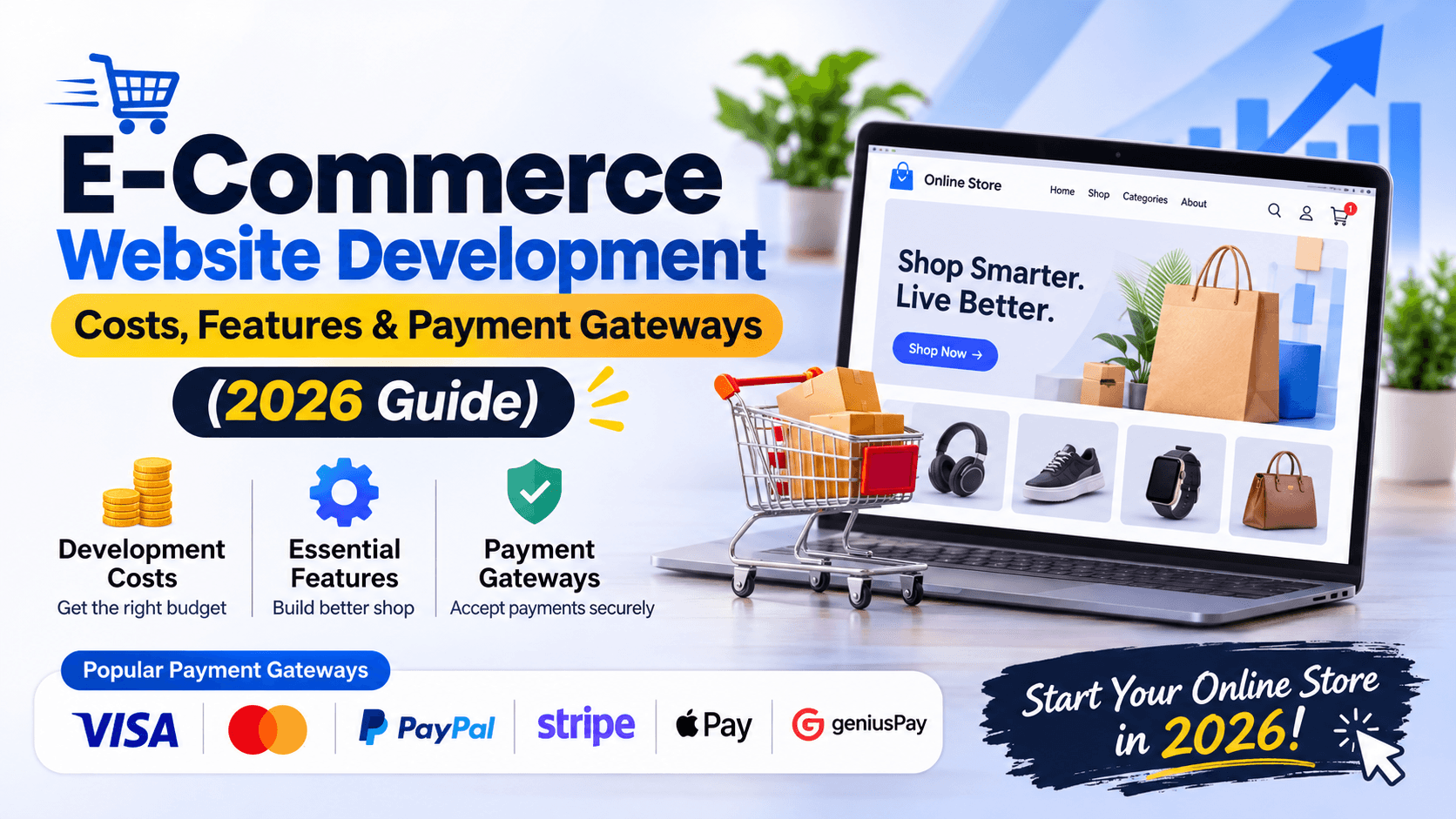
Technical SEO, answer-first content structure and AI search readiness, paired with secure payment gateway integration.
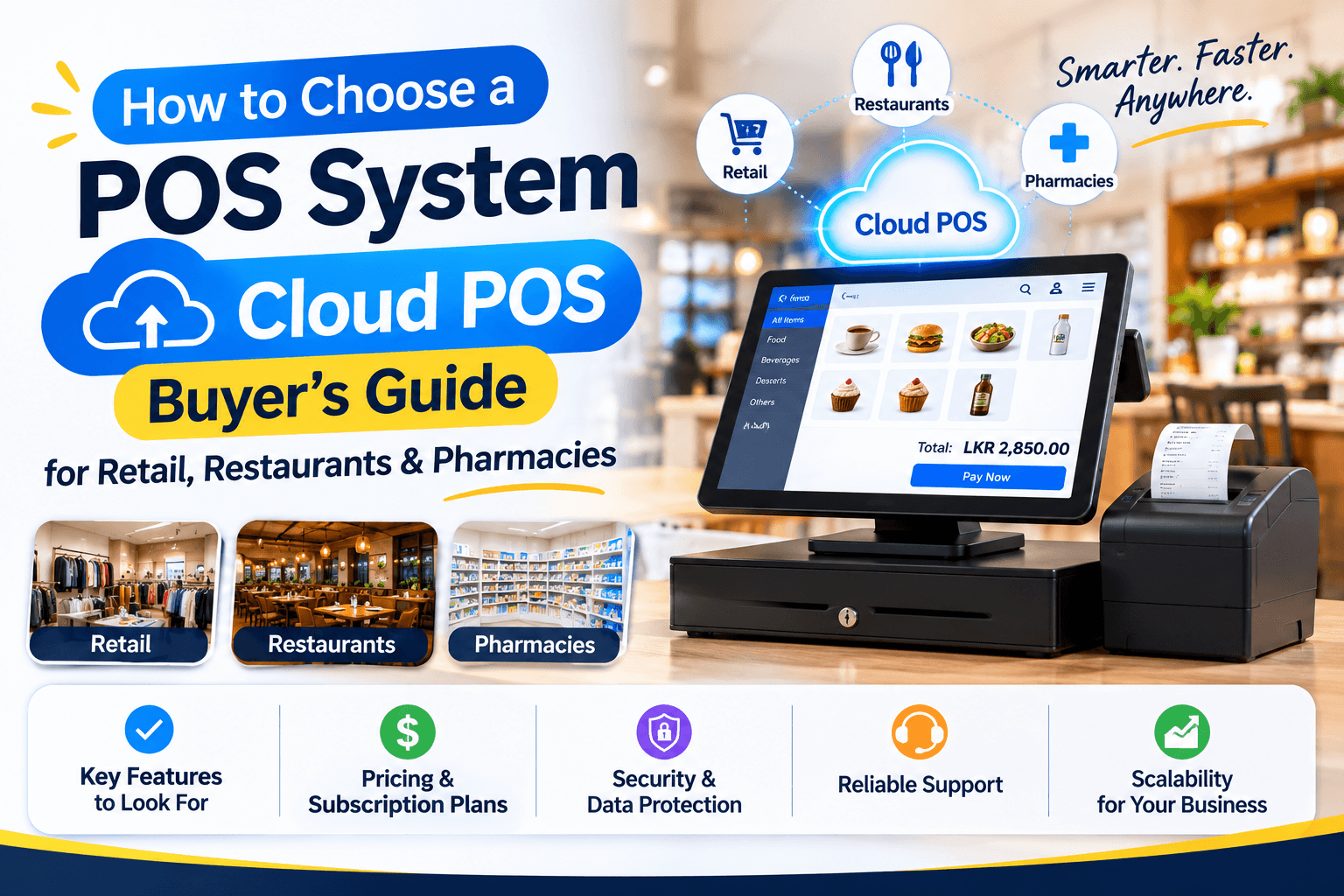
Speak with our team about custom websites, SEO and AI search setup, payment gateway integration, or business software.